In this article from The 74, senior writer Greg Toppo examines how outcomes based contracting is reshaping the way districts evaluate and purchase edtech. Drawing on findings from the recently released Digital Promise report, Toppo explores how the model drives higher implementation rates, greater instructional coherence, and a more deliberate approach to technology spending. Further, the Center’s own Brittany Miller explains how shared financial accountability shifts behavior across the entire ecosystem, and why districts using OBCs are ending up with fewer tools, better results, and students who are actually using what their districts paid for.
Schools Are Paying for Ed Tech That Students Never Use – Could A New Contract Model Change That?

Related Posts
-
October 26, 2026 | News
We Can’t Close the Literacy Gap Until We Close the Honesty Gap
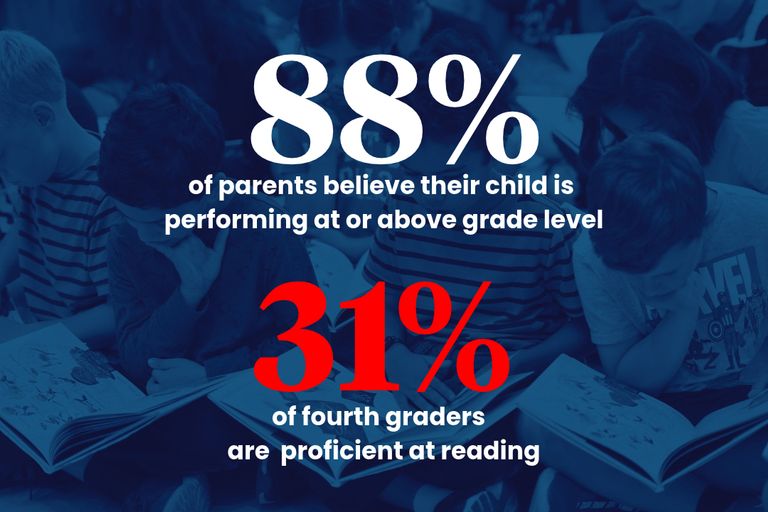
October 26, 2026 Former U.S. Secretary of Education Arne Duncan examines the “honesty gap” in American education, highlighting the disconnect between perceptions of student achievement and actual academic outcomes. He argues that this gap extends to education spending, where districts often lack clear evidence of whether their investments…
-
September 11, 2026 | News
Outcomes Based Contracting Requires Not Just Accountability, but Partnership
Curriculum Associates CEO Kelly Sia on why outcomes based contracting depends on partnership, not just accountability.
-
August 26, 2026 | News
Can a Letter From Washington Actually Change How Schools Buy Technology?
Dr. Brittany Miller joins EdSurge to unpack new federal edtech guidance urging schools to buy for outcomes, not screen time.