In this Government Technology article, Julia Gilban-Cohen examines what outcomes based contracting for edtech actually changes in practice, drawing on findings from the Digital Promise report. Rather than framing OBC as a money-back guarantee, the piece explores how the model creates mutual accountability between districts and vendors, encourages districts to define who a tool is for before purchasing it, and builds the implementation infrastructure that makes edtech efficacy testable in the first place. The result: fewer tools, more intentional use, and classrooms where students can articulate exactly why they are using a product and what they are working to improve.
Beyond the Buzz: What Outcomes Based Contracting Actually Changes in Edtech

Related Posts
-
October 26, 2026 | News
We Can’t Close the Literacy Gap Until We Close the Honesty Gap
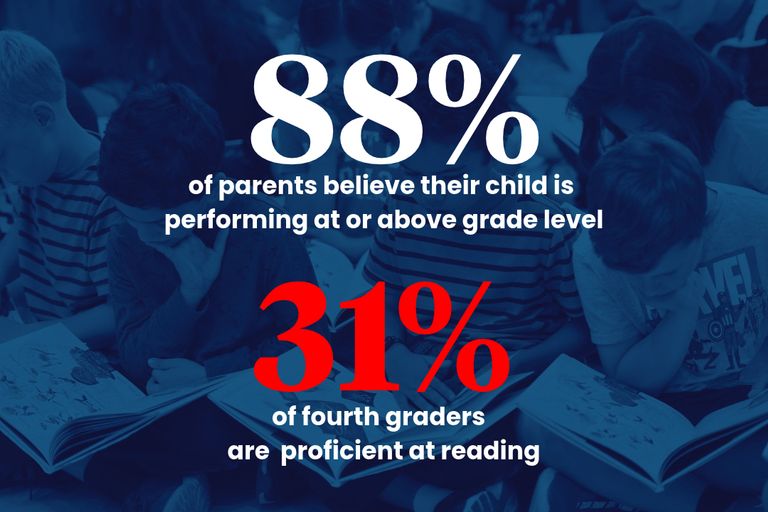
October 26, 2026 Former U.S. Secretary of Education Arne Duncan examines the “honesty gap” in American education, highlighting the disconnect between perceptions of student achievement and actual academic outcomes. He argues that this gap extends to education spending, where districts often lack clear evidence of whether their investments…
-
September 11, 2026 | News
Outcomes Based Contracting Requires Not Just Accountability, but Partnership
Curriculum Associates CEO Kelly Sia on why outcomes based contracting depends on partnership, not just accountability.
-
August 26, 2026 | News
Can a Letter From Washington Actually Change How Schools Buy Technology?
Dr. Brittany Miller joins EdSurge to unpack new federal edtech guidance urging schools to buy for outcomes, not screen time.